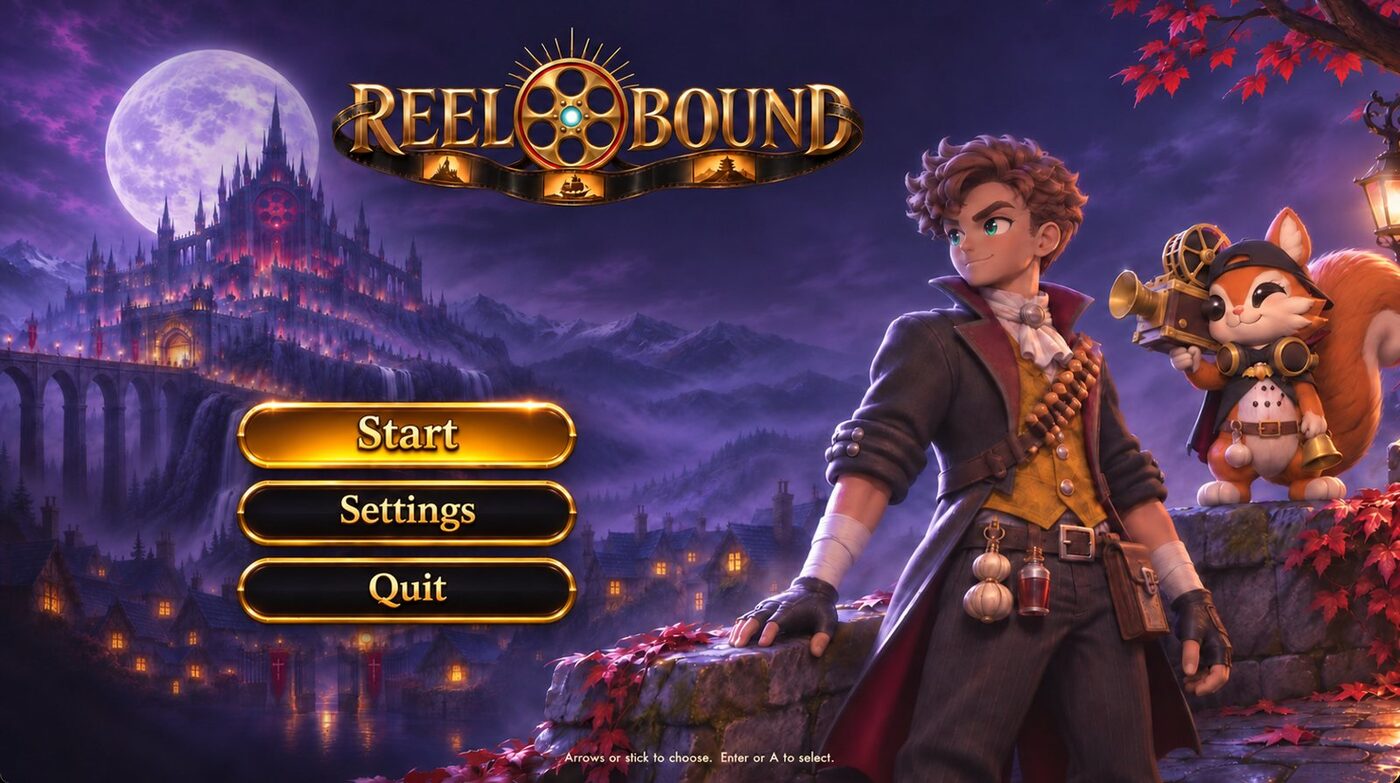
Reelbound was our entry for the 2026 Epic AI MegaJam. The theme was Director’s Cut, and we had four days. Three of us built it in Unreal Engine 5.9, with Claude doing most of the code and level building, and the editor driven through MCP.
In Neo Hollywood, the world’s great stories have gone missing. You play the stand-in lead, jumping through a giant CRT TV into each lost film to reshoot it. Every world is a public-domain story shot in its own film style, and each one you restore adds its set back to the studio lot you return to.
The brief we gave ourselves
Before the jam opened we only talked. We agreed on a small, polished slice instead of a big game, shaped like Phantasy Star Online: a home base, short missions, and a big boss at the end of each. AI tools are strongest on one focused piece at a time, so that shape suited them.
The rule that came out of the first night was start from something that already works, then make it ours - for story, for mechanics, and later for animation.
Four worlds, one game
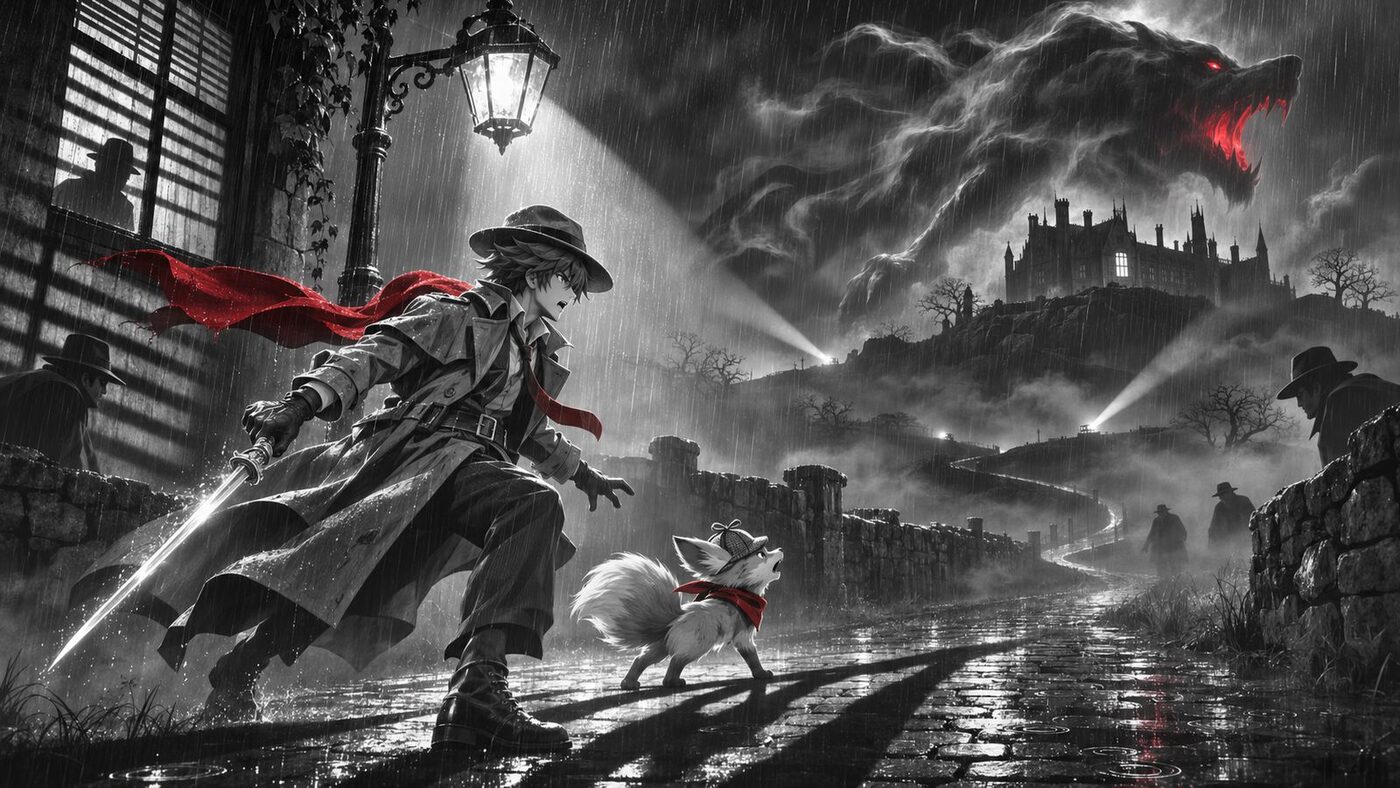
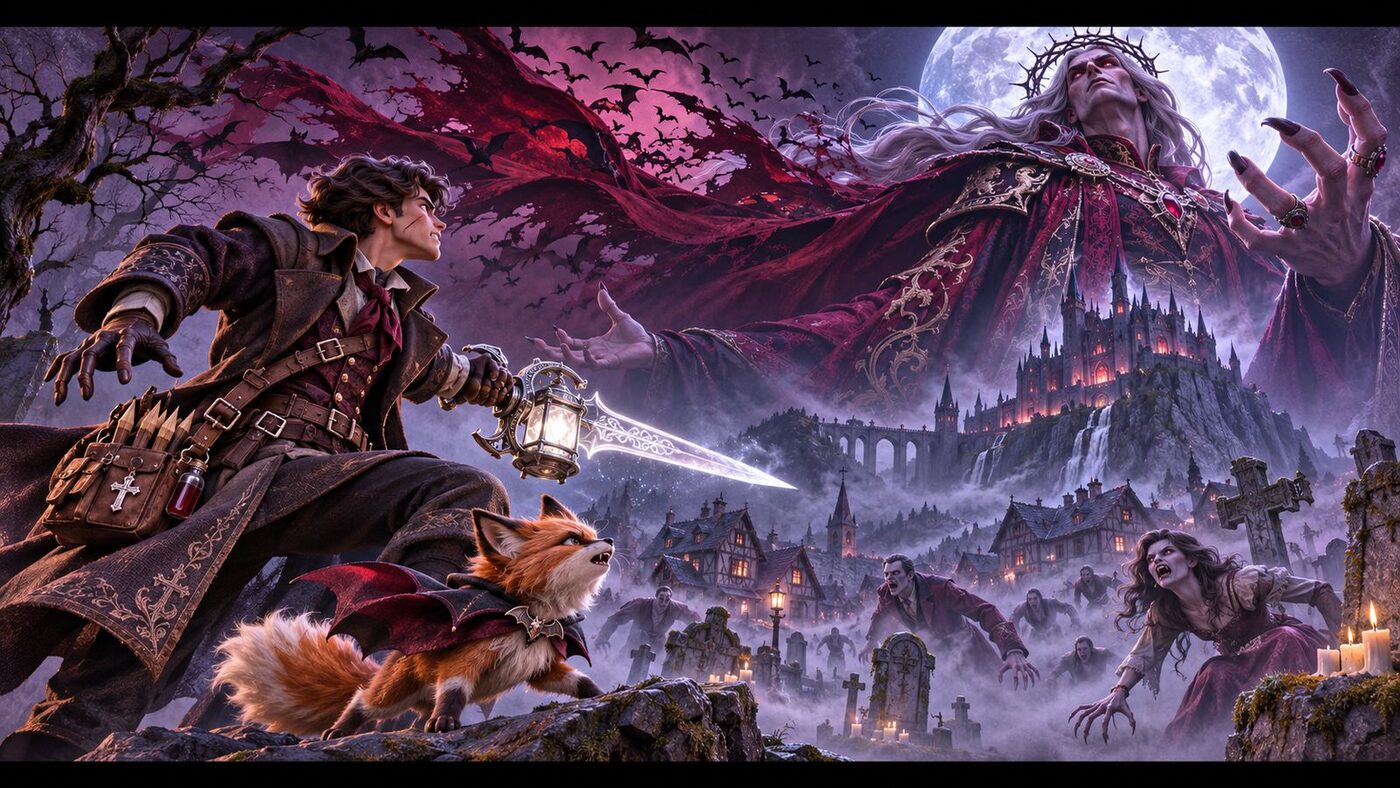
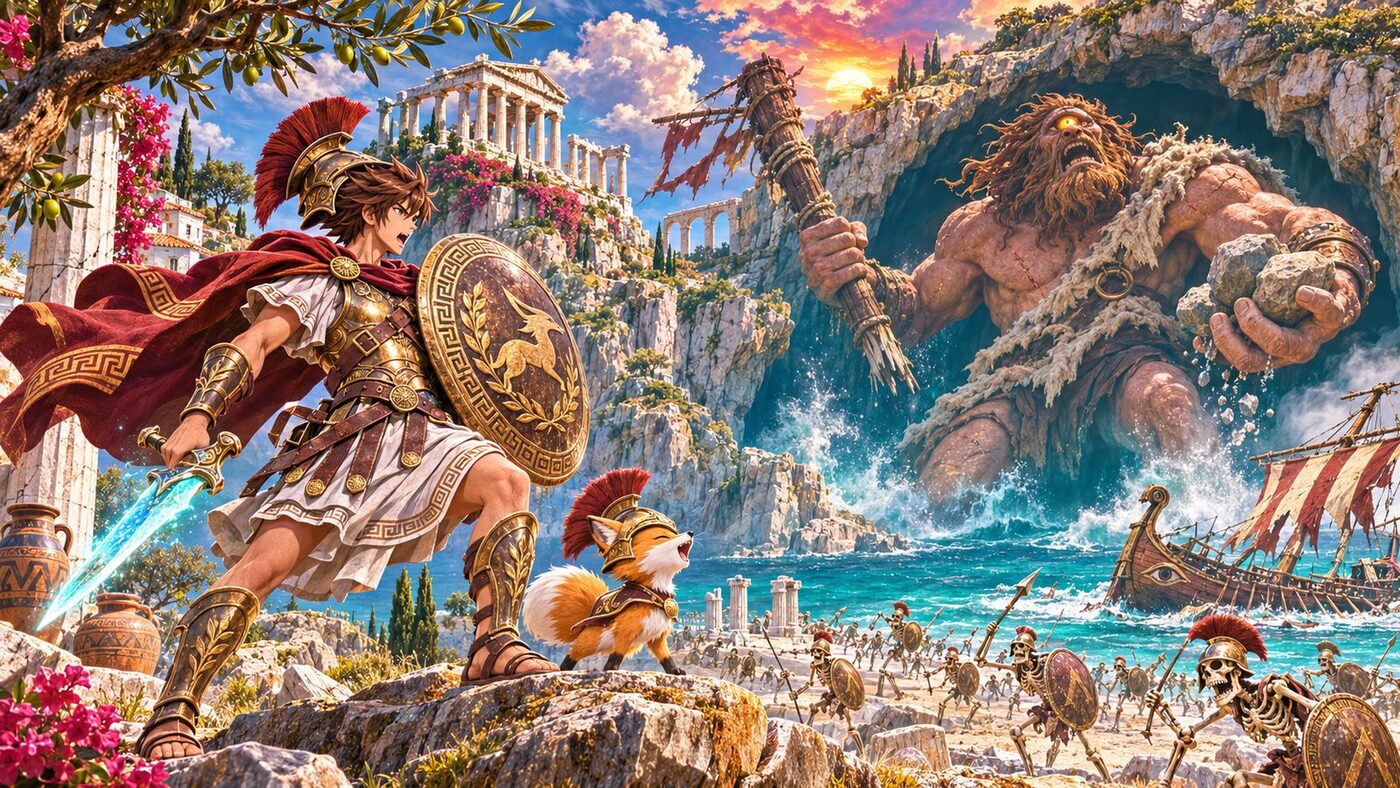
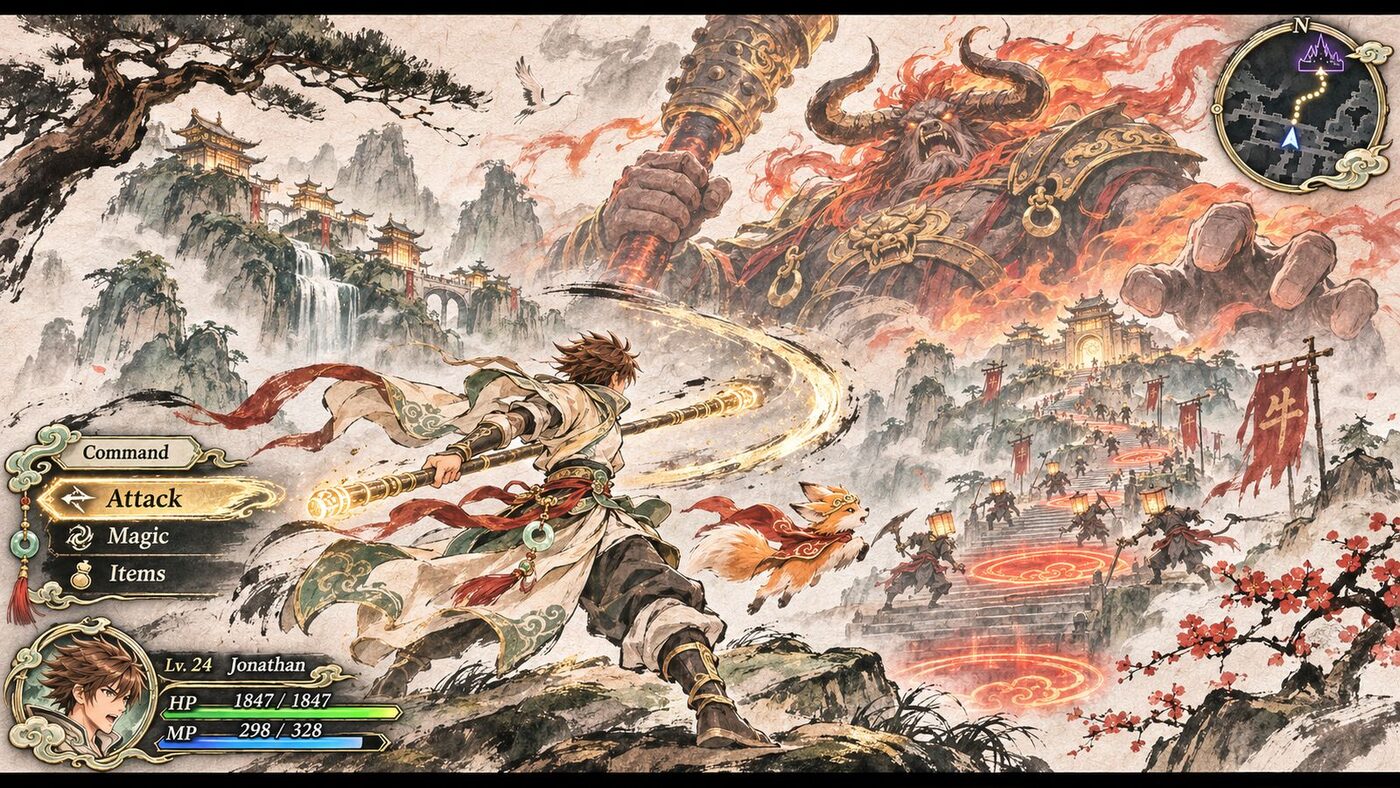
I pushed Journey to the West toward ink wash, and we tried a noir world in black and white with red as the only color. Both made the same argument from opposite sides: the more each world looks like its own film, the less it feels like one game. We settled on a split that held for the rest of the jam.
- Changes per world: rendering style and grade, lighting and architecture, one signature post effect, the hero’s costume
- Never changes: character models and faces, the UI layout, and the danger color for attacks, weak points and enemy eyes
The squirrel who directs
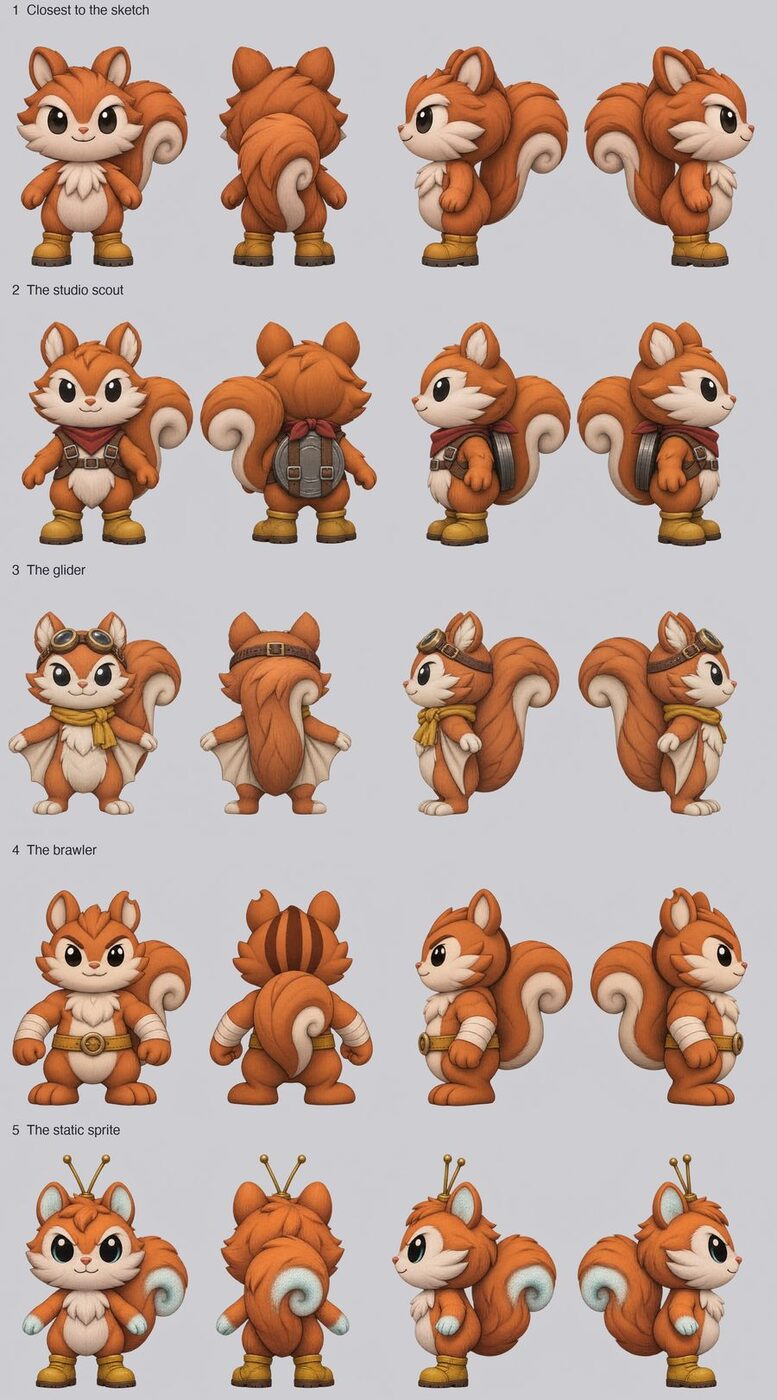

The companion went from a fox to a projector robot to a tanuki to a flying squirrel. The flying squirrel read as a fairy to me - the physics looked wrong - so he runs beside you now.
The bigger change came while planning combat. Kevin asked whether the pet should be the director. I pictured him just holding a camera and following you around. From there it came together quickly: the hero only attacks, the squirrel casts every ability, and he can’t be hurt. It’s the most direct reading of the theme we found, and it was less work - no health bar, no revive logic, and gear that only changes the squirrel instead of new weapon art per world.
His abilities are film tricks:
- Slow-Mo - bullet time around the hero
- Pyrotechnics - a chain of film explosions that throws enemies into the air
- Stunt Double - a film-negative copy that repeats every move a beat later
- “CUT!” - the frame tears and frozen enemies take stored damage when it ends
- Director’s Cut - a giant clapperboard that chomps through the crowd
What I worked on
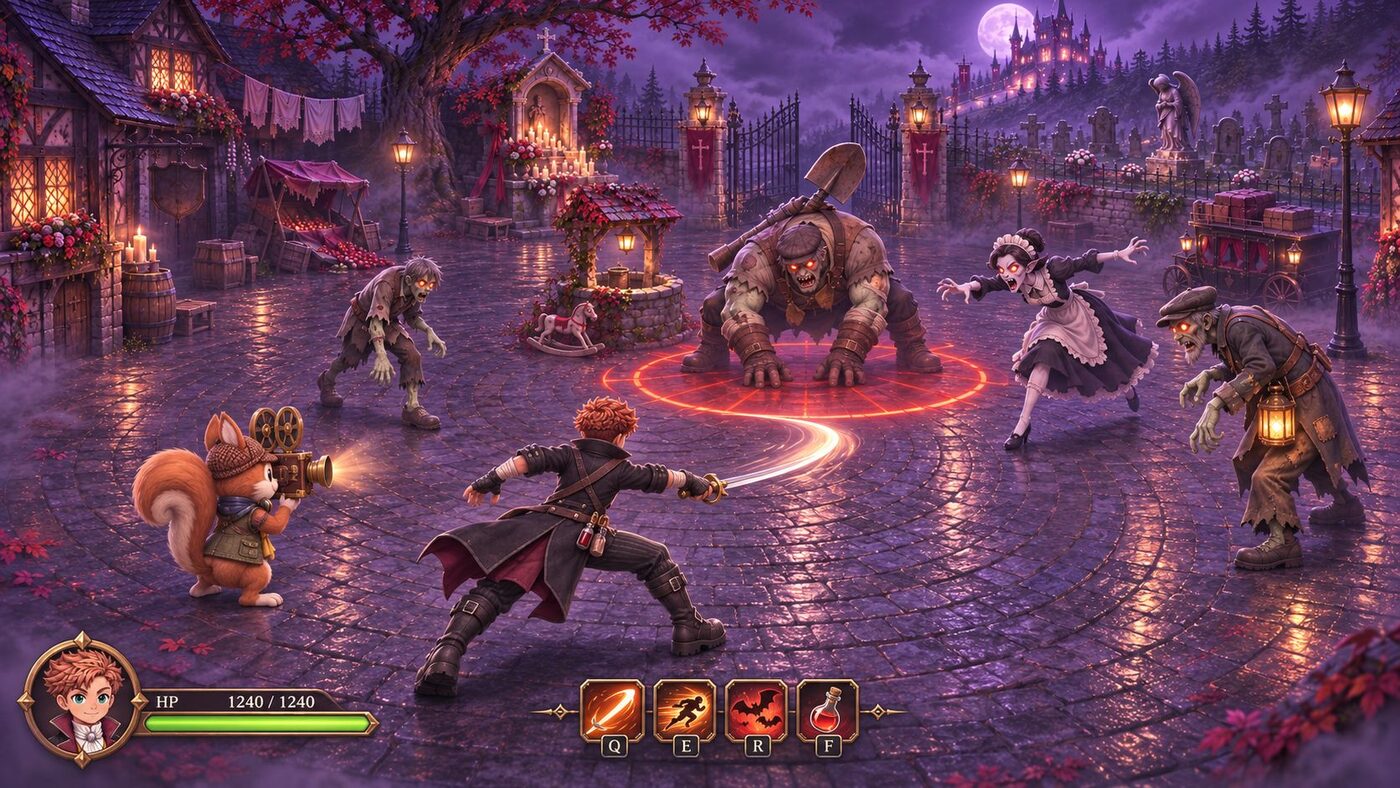
Concept art. Dracula gameplay and boss mockups on the first night, the ink wash direction for Journey to the West, the Dracula-world enemies, and the fight mockup above.
Enemies. One Claude session on my PC took the Dracula level from four wandering zombies to a level full of fights. Each enemy went through the same path - Tripo model, reduced to about 18,000 triangles, auto-rigged in Blender, then Mixamo’s zombie clips - and all their numbers live in one file that rebuilds every enemy. They’re spawned at runtime from a script, so the boss fight and the castle files Kevin owned were never edited. The brute got three tries to stop his arms tearing, then came out of the game.
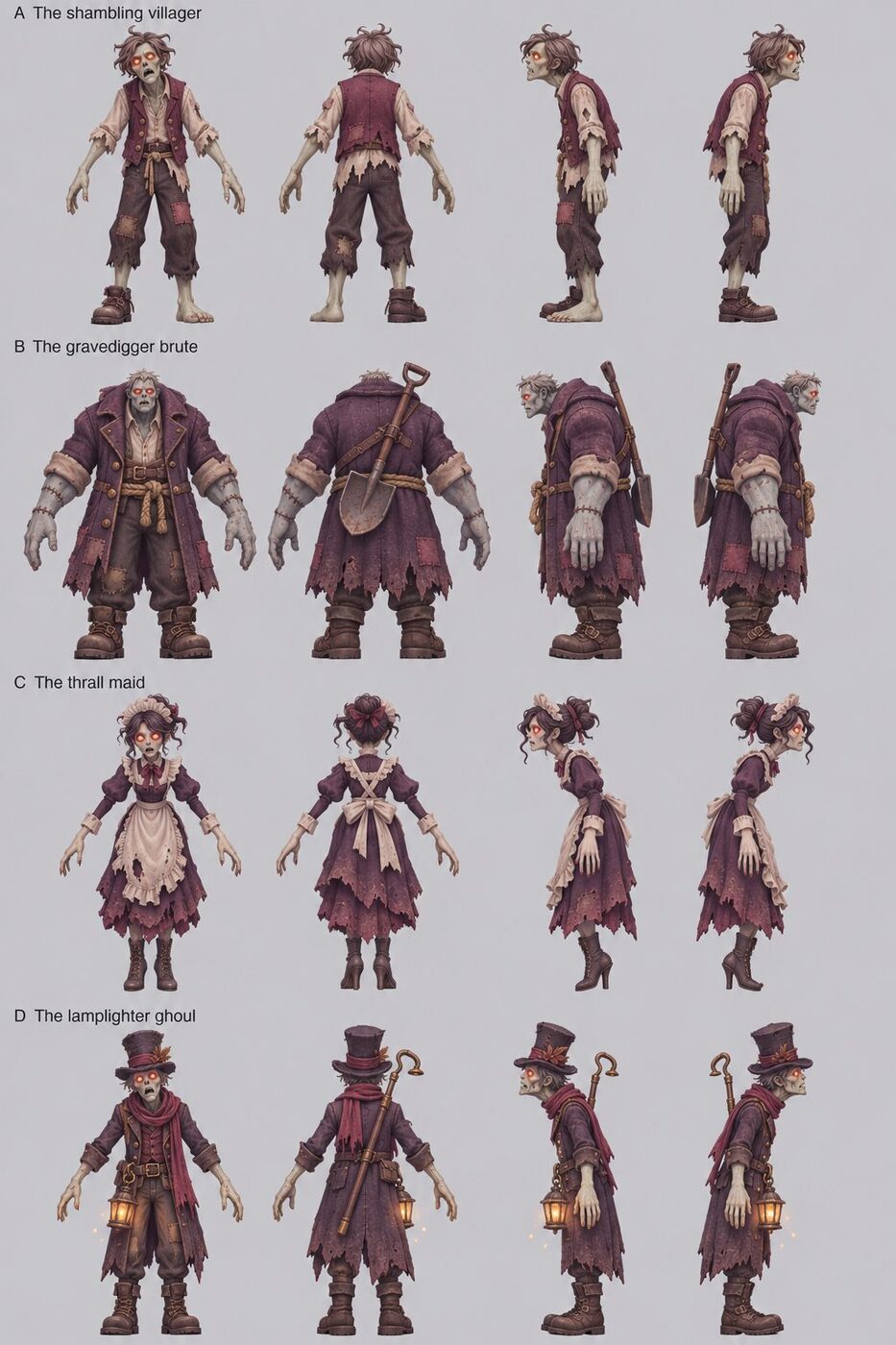
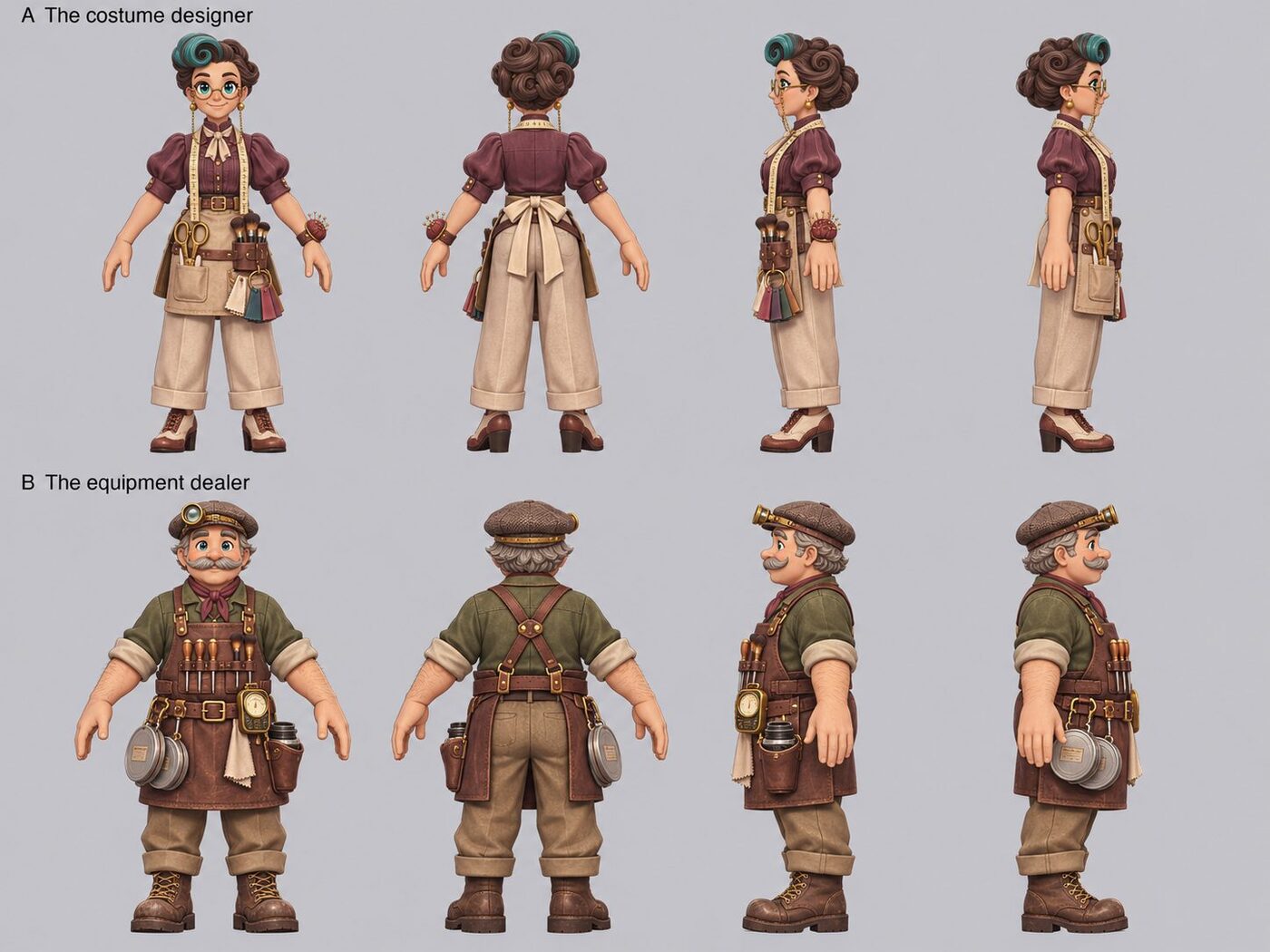
NPCs. The lot felt dead, so I made turnaround sheets for studio crew and townsfolk and started putting them into the game.
Lighting and textures. I suggested using free Fab and Quixel Megascans surfaces instead of generating textures, which restarted the build on real materials. I also tested the Unreal MCP connection with small lighting passes that warmed the lot’s 73 lamps toward amber, and later ran a lighting pass on the dark stretches of the Dracula level.
Cloth. Costume racks were coming out as faceted tents. The fix I suggested was to keep the simulated drape, smooth the small crumples out afterwards, and shape the sleeves by hand instead of simulating again.
Sound and builds. I licensed the enemy and ambience sounds from the We Love Indies library, and packaged the Windows build on my PC.
How we worked
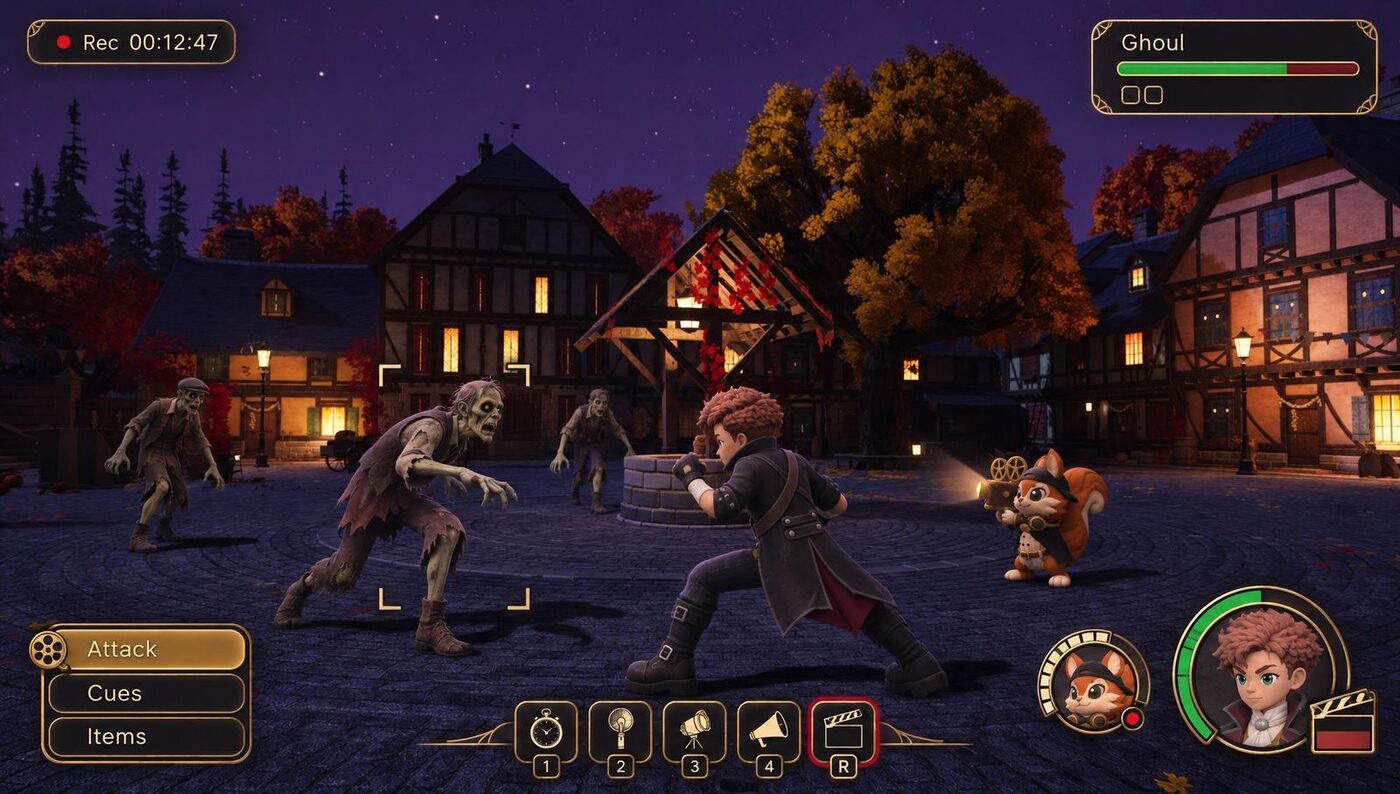
Every level went the same way: concept images of the stage only, a round of notes against a reference we liked, then Claude building it in slices - world, HUD, enemies, boss. A few rules kept three people and several Claude sessions from stepping on each other:
- Two attempts on a stubborn fix, then leave it or revert, and log it for a stronger model later
- Give a self-contained slice like the boss fight its own session, and tell the others not to touch it
- Spawn enemies and lights from scripts, so two people never edit the same level file
- Make a packaged build early - it shows bugs the editor hides
- Scripted play checks that things work; only a person can check that they’re good
What we cut
A lot. The equipment system, per-world HUD theming, flying enemies (Mixamo has no flying clips), a third world, and the reels in the sky - my idea for showing progress, which we liked but couldn’t make look right. Desktop became the main build because web packaging would have meant the mobile renderer and a 500 MB cap.
What shipped was one full loop: the studio lot, a tape into the TV, Dracula’s world as the tutorial, and a two-form Dracula boss fight.